
News & Events
November 10, 2023
What Do You Need To Become an Electrician in Ohio?
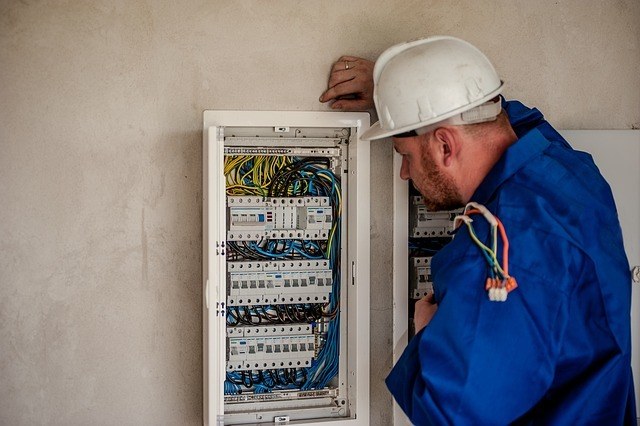
To become an electrician in Ohio, you must follow a set of steps and meet specific requirements. IEC-Independent Electrical Contractors offers comprehensive training and electrician apprenticeship in Cincinnati, OH. Here are the general requirements to become an electrician in Ohio:
Training
After completing high school, enroll in a trade school or vocational program to start your electrical education. Look for accredited or recognized programs from relevant industry organizations or state agencies. The courses include electrical theory, safety practices, electrical codes, electrical installations, troubleshooting, wiring, and maintenance.
At IEC-Independent Electrical Contractors, we offer electrical safety courses, such as aerial lift, asbestos awareness, confined spaces, fall protection, and first aid. We also train on budgeting, taxes, time management, business structure, legal issues, and leadership skills. Our programs include both classroom instruction and hands-on training.
Apprenticeship
An electrician apprenticeship can help you gain experience, skills, and expertise since you work under the supervision of a licensed electrician. Our accredited apprenticeship program can allow you to become a qualified journeyman electrician while earning reasonable wages. Apprenticeships require you to accumulate a specified number of work hours over the duration of the program to get ample experience.
To get accepted into our apprenticeship program, apply for employment through our website and take the math assessment. If you pass the math test, one of our member contractors can hire you. Successful completion of an apprenticeship program often leads to industry-recognized certifications or credentials. These credentials can be valuable in demonstrating an apprentice’s competence to potential employers and clients.
Licensing
After completing your apprenticeship program, you can obtain an electrician license to work in Ohio. Before getting your license, you should pass the International Code Council exam. The test can assess your knowledge of safety practices, code organization, code amendment, and practical application.
To obtain an electrical license in Ohio, you must submit a completed application and pay the required fees. The application process may include providing documentation of your education, experience, and exam results. To maintain your license, you renew it before it expires because electrician licensure is valid for some years.
Continuing Education
In Ohio, continuing education can help electricians to maintain their licensure. Electricians must complete the required hours to keep their licenses current and avoid any legal interruptions in their ability to work. We offer continuing education classes to allow electricians to keep up with updated electrical codes, regulations, and technologies.
The courses feature practical exercises and case studies that challenge electricians to solve real-world electrical problems., enhancing problem-solving skills. Continuous learning allows electricians to broaden their skill set and expertise. This can lead to career advancement opportunities, increased job security, and the ability to take on more complex projects.
Enroll in Our Electrician Apprenticeship Program
Apply for our certified apprenticeship program to gain hands-on electrical experience and skills. The application requires a valid driver’s license, a non-refundable application fee, and a high school transcript or GED with certificate scores. During the apprenticeship, you accumulate the necessary work and classroom hours to become a journeyman electrician. Enroll in our electrician apprenticeship program today.